3. (DIET) SODAS: STAY AWAY FROM LIQUID POISON (health project99+)

Do not remember if these Congolese drinks were healthy 🙂

Dear reader,

When preparing this blog, I wonder why I ever drank Coke daily. I mean, a drink that can derust iron cannot be good for your stomach, can it? Just to name one reason not to drink these types of sodas. 

I used to love drinking both Coke and later Diet Coke—for decades. Let’s be honest: a cold Coke tastes great. The fizz and the bubbles are refreshing. The taste and ice cubes add to the experience. All of this is accompanied by appealing advertisements. Sweet memories! Still, avoid (Diet) Coke, 7-Up, Fanta, Red Bull, and any other soda. You should stay away from them as far as possible.

The original, non-diet versions contain a lot of sugar, up to 40 grams per regular can. These soda calories are empty calories, not accompanied by fiber or other beneficial nutrients. Recent studies indicate that over consumption of empty calories is almost unavoidable with all its potential health problems. The sudden glucose spike is a problem in itself. Your body’s health systems can become overwhelmed by the rapid influx of glucose.

The diet versions of sodas do not have calories. However, studies indicate that many sweeteners affect your metabolism similarly to sugar. They can influence dopamine levels. 

Both diet and non-diet sodas are considered UPF (Ultra-Processed Foods). The long-term impact of UPF on your body over decades seems to be negative. An increasing number of studies attribute a lowered biological age to UPF consumption. They also identify a contribution to over 30 serious diseases.

There is no scientific proof that sweeteners cause cancer, but neither can the possibility be excluded. For me, it’s a bit like the issue with Nanoplastics entering our cells. There’s no scientific proof of their potential health damage yet, but it doesn’t seem acceptable to me. I have similar concerns about the long-term effects of all these artificial sweeteners.

While (Diet) Coke addiction is not scientifically proven, there are strong indications that it is at least partly addictive. On the internet (admittedly not always the best source), I have read horrific stories. People try to rid themselves of their Coke addiction. However, they often fail. My impression is that Diet Coke seems to pose more addiction problems than regular Coke. Science does not back this conclusion—it’s just my impression.

Are there alternatives to Cola and other sodas? Of course, and some of those other drinks are quite exciting!

1.What are sodas like Coke doing to your body?

Your body needs energy (in the form of glucose/ATP). The source of this energy is crucial because you need meaningful calories, not empty calories from sodas. Technically/organically, added sugar is not different from naturally occurring sugars. In other words, sugar in fruit is not healthier than sugar in other products. Your body does not distinguish between naturally occurring sugars and added sugars. Two lumps of sugar give you the same amount of sugar as one banana. 

However, there is a world of difference between a lump of sugar and a banana. The lump of sugar gives you a fast but short spike in your energy level. In contrast, the sugar in the banana comes with vitamins, minerals, and other important compounds. Not to forget the starch, which can be up to 80% of the weight of unripe bananas. This starch is primarily resistant starch. It improves gut health by acting as a prebiotic. It also helps with blood sugar management. Furthermore, it increases satiety.

These empty soda calories increase the likelihood of several diseases, including Alzheimer’s and cancer. A lot of research is ongoing; not all is proven, but there is also a correlation between too much sugar (i.e., easy carbs) and refined starch with certain types of cancer.

Rapid glucose delivery was for a long time an unknown problem. When sugar is dissolved in liquid, it floods the system quickly. According to the latest science, this rapid delivery overwhelms the body’s ability to process it in a healthy way. When the liver is hit with a sudden, high dose of fructose, it can’t keep up. When this happens, it diverts more of the excess fructose into fat production. This buildup of fat in the liver can interfere with insulin signaling. It can also contribute to metabolic dysfunction. These issues lead to an increased risk of type 2 diabetes.

There are no universally fixed daily recommended quantities for sugar intake, but there are various dietary guidelines regarding sugar intake. Many recommend limiting added sugars to around 10% of total daily calories. This translates roughly to 50-60 grams for women. The amount is slightly higher for men for added sugars. There are an additional 30 grams for natural sugars. 

As mentioned, it is essential to differentiate between added sugars and natural sugars found in whole foods. Added sugars are typically of much greater concern for health. A person might not realize this fact. A single sugary drink from a can will contribute up to 40 grams of sugar or more. You quickly exceeds any daily limit, just by drinking a few cans of a regular, non-diet soda.

2.Many switch to Diet versions.

Studies are ongoing comparing types of artificial sweeteners vs sugar. Diet sodas do not contain calories. However, some recent studies have indicated that certain artificial sweeteners might elicit metabolic responses similar to those of sugar. This raises questions about their long-term health impacts.

It might also explain the addictive nature not only of regular sodas, but also of the diet sodas.

It’s worth noting that not all studies agree on the effects of artificial sweeteners. The effects can vary widely depending on the type of sweetener, the individual’s metabolism, and overall dietary context. Thus, while some research suggests potential metabolic similarities between sugar and certain sweeteners, the topic is still nuanced and requires careful interpretation and, as always, further study.

3.Sodas are ultra-processed food (UPF)

Dear reader, just to remind you that in general, ultra-processed foods lead to an acceleration in biological age. This means that your body ages quicker than your nominal years. It also results in a 10% increase in mortality risk. An important study in February 2024 reported a link between ultra-processed food consumption and 32 negative health issues. These issues include colorectal and pancreatic cancer. Additionally, they include sleeping issues, high blood pressure, and Crohn’s disease. 

The composition of regular coke includes high fructose corn syrup or sucrose (sugar). It also contains carbonated water, caramel color, phosphoric acid, natural flavors, and caffeine. In contrast, diet coke consists of carbonated water and artificial sweeteners (like aspartame or acesulfame potassium). It has caramel color, phosphoric acid, natural flavors, and caffeine.

Both regular and diet sodas are UPF with all its already known and still unknown negative health consequences.

4.Drinking Coke or other caffeinated sodas seems like an addiction for many people. 

Sugar is potentially addictive. Some studies suggest that sugar can trigger the release of feel-good chemicals like dopamine in the brain. This is akin to the effects observed with various addictive substances. This can lead to cravings and an increased wish for sugary foods. This creates a cycle that mirrors the behaviors linked to substance addiction. While not everyone experiences this phenomenon, evidence suggests that sugar can strongly influence our eating habits. 

Addiction or not, when someone (and there are many) drinks 1.5 liters of 7Up or six cans of Diet Coke daily, it certainly resembles addiction. They find it very difficult to stop. The discussions in Coke self-help groups closely resemble those among people struggling with addiction.

Studies have not conclusively determined that Diet Coke or soda is more addictive than regular soda. It often depends on personal factors. These factors include an individual’s body response to caffeine, preferences for sugar versus artificial sweeteners, and habits.

5.Tasty and Healthy Alternatives to Sodas

Many people enjoy the bubbles in carbonated drinks. Fortunately, there are numerous products on the market that can make your regular water as fizzy as a Coke. It may sound silly, but it works!

You can also make water tasty by flavoring it with fruit or herbs. Always keep a stainless steel (no plastic!) water bottle filled and ready to go. Take them with you when you’re out on a trip.

Use your imagination to create exciting drinks yourself. Every morning, we make two liters of lemon juice. We add ginger and a bit of cayenne pepper. You can make this with carbonation, of course. https://shakethehealthtree.com/index.php/2025/02/25/5-lemons-and-limes-health-project-99/

We also have a liter of delicious smoothie ready to go. Additionally, there are great teas and the occasional coffee to enjoy. https://shakethehealthtree.com/index.php/2025/03/10/9-four-drinks-a-morning-afternoon-smoothie-health-project-99/

In the evening, we eat soup, which serves as another “watery” drink. I didn’t use to like soups very much. Now, I find them great. Just like other drinks, there is plenty of room for experimentation. https://shakethehealthtree.com/index.php/2025/03/15/9-four-drinks-c-the-evening-vegetables-soup-health-project99/

In my experience, it is important to have these drinks ready, preferably stocked in stainless steel bottles. So, when you feel like having something to drink, grab one of these bottles. You honestly don’t need a can of soda; the alternatives can be exciting and definitely healthier.

Many people consider fruit juice from packages to be a healthy alternative to such drinks. It may contain fewer potentially harmful additives. However, it still contains a significant amount of sugar. It’s better to stay away from this liter pack with apple or orange juice.

To finish on this serious note: A recent meta-study found alarming results. For each 12-ounce daily serving of a sugar-sweetened drink, the risk of diabetes increased by 25%. This is relative to their existing level of risk.

Thanks for reading. This is quite serious stuff. However, it is something within reach to change. You can spend a life without sodas like Coke.

Take care and drink healthy!

Robert, your health friend,

In the dunes near The Hague

11. SUGAR, THE DEVIL IN DISGUISE/PART 2: EASY TO OVER CONSUME (health project99+)

Amsterdam, de Pijp quarter

Dear reader,

Sugar is one of the modern plagues that test modern humanity. We all know this, but still underestimate how easy it is to over consume sugar. Sugar, easy carbs, starch, all part of the same problem, too much sugar, too much glucose, too much impact on your blood glucose level and in the long run a negative impact on your health.

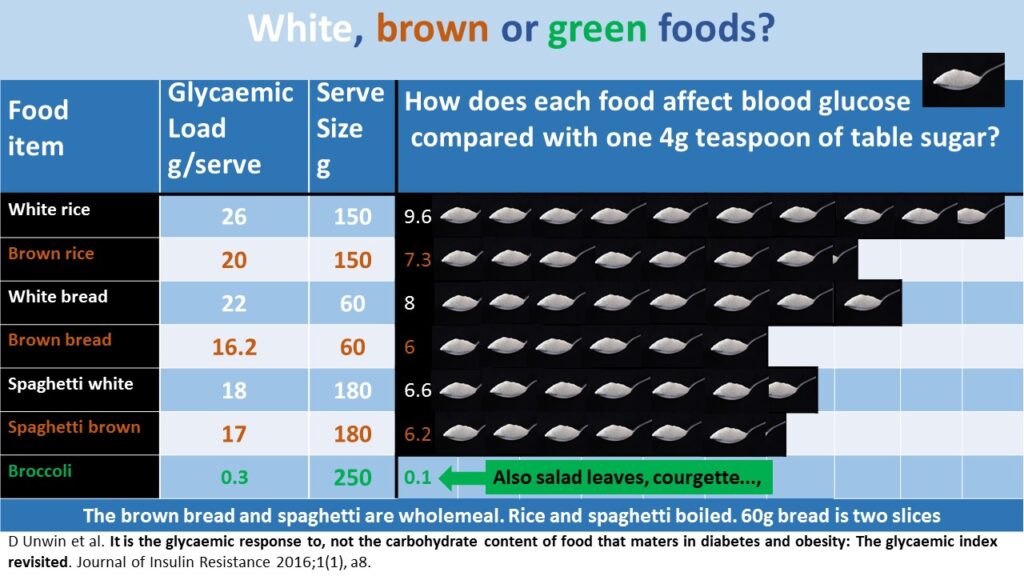
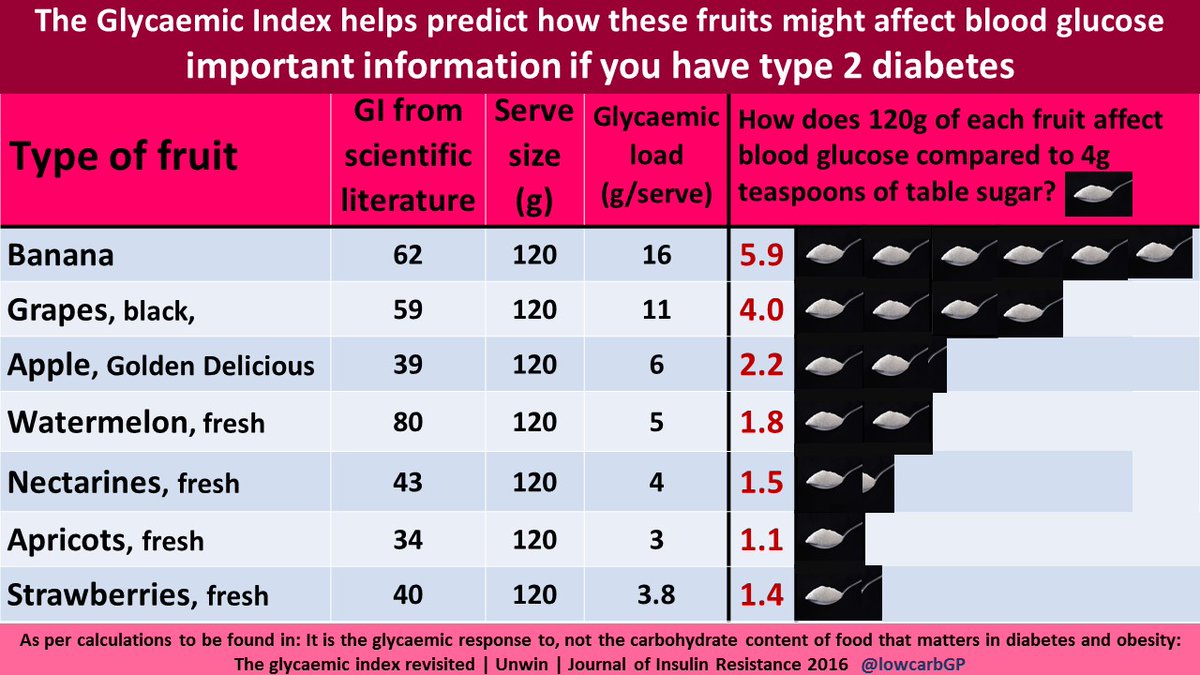
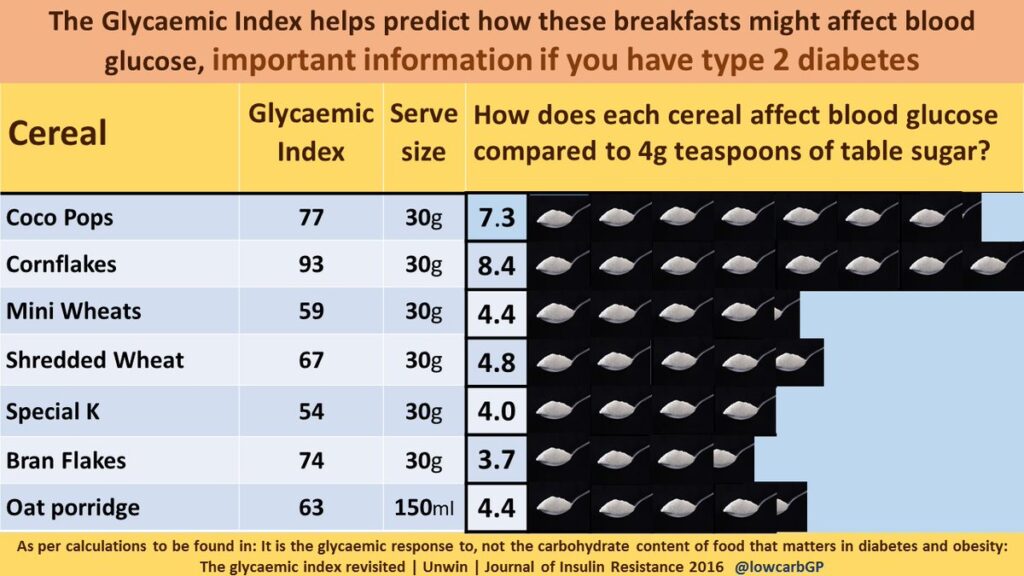
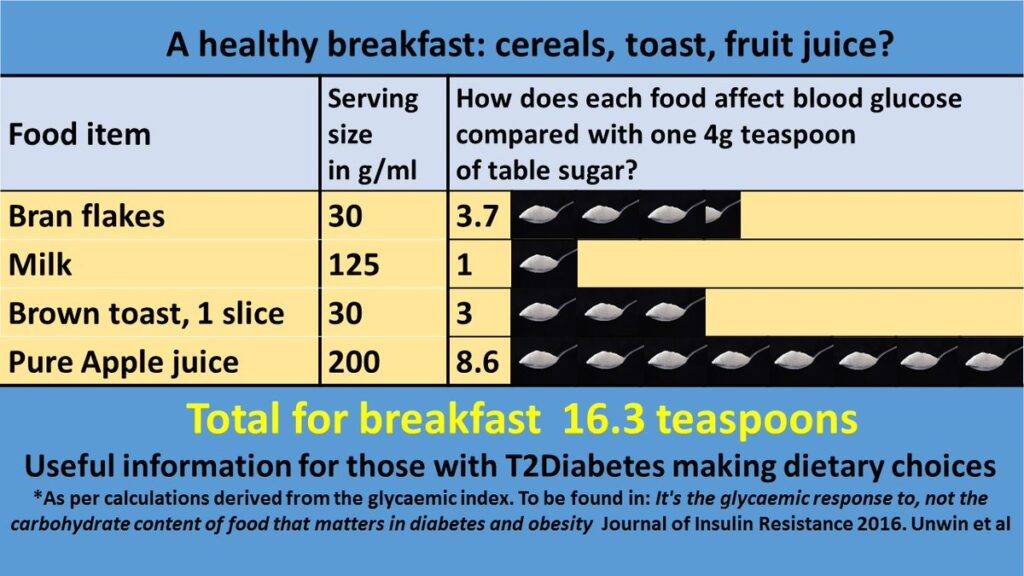
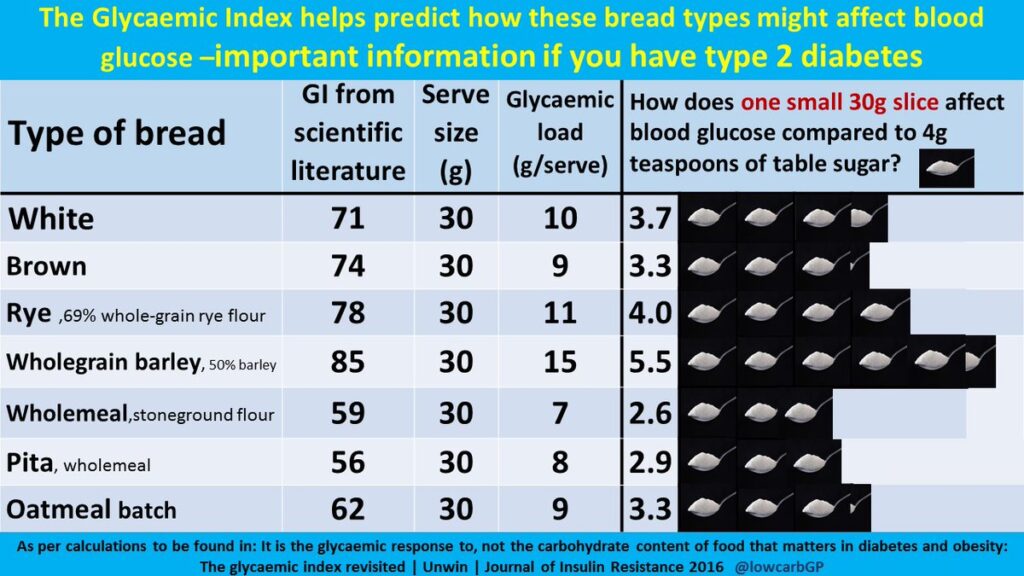
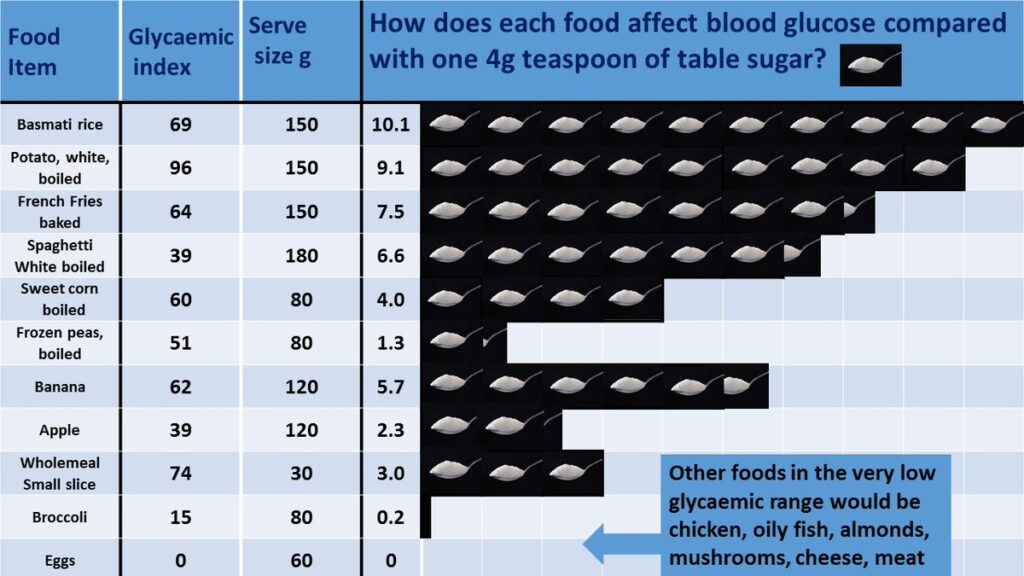
With many thanks to Darwin Unger@lowcarbGP, who allowed free use of his graphs I explain in this blog why overconsumption of natural and added sugar is almost unavoidable.

Fortunately, with a combination of knowledge and motivation it is possible to keep sugar intake low and avoid too abrupt impacts on your blood glucose level. It is not easy, but doable.

Before presenting the graphs I will give a small summary of sugar, its omnipresence and dangers. In an earlier blog you will find more info on sugar https://shakethehealthtree.com/index.php/2025/04/13/11-sugar-the-devil-in-disguise-part-1-some-basic-concepts/

The graphs below of Darwin Unger helped me lot. I made a change to my fruit/veggie smoothie by excluding bananas and apples. Instead, I focus on berries which have half the natural sugars of bananas and apples. The big Dutch super market chains offer 1 kg bags of frozen berries for around 5 euros.

No nutritional value Sugar, often perceived as a quick source of energy, holds no nutritional value in itself. Sugar can provide an immediate boost of energy to the body. Other macronutrients like fats and proteins can serve this purpose as well. They also come, contrary to the empty sugar calories, paired with essential vitamins, minerals, and other beneficial compounds. Neither do sugars contribute to satiety or nutritional completeness, making them less advantageous than other food sources.

There are no universally fixed daily recommended quantities for sugar intake. There are various dietary guidelines regarding sugar intake. Many recommend limiting added sugars to around 10% of total daily calories. This translates roughly to 50-60 grams for women and slightly higher for men. It’s essential to differentiate between added sugars and natural sugars found in whole foods. Added sugars are typically of greater concern for health.

Lifestyle plays a significant role in determining individual sugar intake. Those who are more physically active may require slightly more sugar for energy. Meanwhile, sedentary individuals should aim for less. Notably, these recommendations do not apply to individuals with diabetes, who must carefully monitor their carbohydrate intake.

Easy to over consume Sugar can be surprisingly easy to over consume. It is prevalent in many processed foods, beverages, and snacks. These are the so-called hidden sugars. One might not realize that a single sugary drink can contribute 30 grams of sugar or more. This amount quickly exceeds any daily limit. It happens without even accounting for other meals. This over consumption has become a significant concern. Excessive sugar intake is linked to various health issues. These include obesity, type 2 diabetes, and notably, fatty liver disease. The liver can become overwhelmed by processing large amounts of sugar. Fructose is particularly challenging. This can lead to fat accumulation. Over time, it may cause liver damage.

Sugar is potentially addictive Emerging research has also highlighted the potential addictive properties of sugar. Some studies suggest that sugar can trigger the release of feel-good chemicals like dopamine in the brain. This is akin to the effects observed with various addictive substances. This can lead to cravings and an increased wish for sugary foods. This creates a cycle that mirrors the behaviors linked to substance addiction. While not everyone experiences this phenomenon, evidence suggests that sugar can strongly influence our eating habits. Moderation becomes all the more important for overall health.

Consuming 100 grams of whole grain bread has a high GL. It will likely lead to a noticeable, moderate increase in blood glucose levels. This increase is around 20 to 30 mg/dL or more, depending on individual factors. It peaks in 1 to 2 hours and its impact can last up to 4 hours.

Straight added 4 grams of sugar may lead to a sharper but short spike of about 10 to 20 mg/dL immediately after consumption with return to baseline within 1 to 2 hours.

(1) See the sugar (impact on blood glucose level) difference between white rice and broccoli!

(2) Important lesson: fruit is not sugar free and your body does not distinguish between added or natural sugars (although natural sugars come with many useful ingredients and fiber). Also notice that a banana has 4x more impact on blood glucose than strawberries.

(3) Why certain breakfasts elements in many countries are not healthy.

(4) Below the sugar intake of a regular, very modest breakfast: 65 grams of sugar (some sources give 20 grams for fresh apple juice, not 32 like this example).

(5) Bread contains little sugar, but because of its carbs it can have quite an impact on your blood glucose. This also applies to whole grain bread with its complex carbs. The crucial difference with “sugar only” is the much slower release and therefor different impact on blood glucose.

(6) See the difference between boiled potatoes and eggs.

Dear reader, I still have to found out more about sugar content and impact on blood glucose. Having said this, I hope that the message of this blog is clear.

Take care, pay attention to your sugar/carbs intake and enjoy life,

Robert, your health friend

Pastel de Nata, from Portugal. Too much sugar? Yes, but…..

20. SUNSCREEN, THE MORE THE BETTER (health project99+)

Caracas

Dear reader,

As our knowledge about certain dangers advances, so should our commitment to daily UV protection. Protecting against UV radiation today, both UVA and UVB is an investment in lifelong health. 

This blog contains if not all, most aspects related to sunscreen.

The sunscreen shelf contains oils, lotions, sprays, and creams. There is also a rich assortment of labels and promises. The variety of prices is equally vast. A healthy dose of skepticism helps navigate through all the bottles and tubes. “Dermatologically tested”, what does this mean? Scientifically speaking probably nothing.

“Avoid, cover, apply” Skepticism about claims by producers of sunscreen should not turn into distrust of the product. Sunscreen strongly reduces the risk of sunburn. It also lowers the risk of skin cancer. “Avoid, cover, apply” is the advice of all experts. Avoid the sun during the hours of highest UV intensity. Cover the skin with (UV-protective) clothing. Generously apply sunscreen to exposed skin, even when it is clouded.

Relation sunshine and skin cancer is proven. Claims on social media that sunscreen is hormone-disruptive or even carcinogenic have not been proven to date. Meanwhile, there are “piles of serious studies” that prove UV radiation can cause skin cancer. “UV radiation is classified as a ‘Group 1 carcinogen’, just like asbestos or tobacco. The causal relationship with cancer is indisputably proven.

There are two different types of UV radiation to remember. One is called UVA, which impacts aging processes. The other is called UVB, which causes burning. Both types of radiation can cause skin cancer.

Skin cancer is on the rise. It is one of the most common forms of cancer in countries like the Netherlands. Nearly 80,000 diagnoses occur annually. The situation is similar in the USA with 3.6 mln diagnoses annually. UV radiation from the sun and tanning beds is typically the cause. 

A thousand people die from skin cancer each year in The Netherlands. This often results from more malignant forms like melanoma. In the UK, 2500 people die from skin cancer annually. In the USA, that number is 8000. These deaths are almost all preventable if well protected against the sun.

1.Difference between UV A and UV B

All sunscreens have UVB, but please choose a sunscreen that has also UVA Protection. It is important to prevent premature wrinkles. The advice is to apply sunscreen daily, and even every few hours if you are outside. UVA radiation penetrates deeper into the skin. It is responsible for premature skin aging (photoaging), including wrinkles and age spots. It can also damage collagen and elastin in the skin.

UVA rays are more constant throughout the day. They can penetrate through clouds and glass. This makes them a concern even on overcast days or indoors.

2.The truth of the factor

Factor 30 or Factor 50? The recommendation is to use at least Sun Protection Factor of 30 (SPF 30). It promises to block 97% of harmful UV-B radiation. SPF 50 blocks 98%. A minimal difference of only 1%.

SPF 100 is forbidden in Europe as it blocks 99%, but the 100 will give the public a false sense of security.

3.Application is key and clear most of us do not enough

In practice, people often apply sunscreen too thinly, don’t reapply often enough, and sweat or wipe it off. Therefore, the actual protection from both SPF 30 and SPF 50 is much lower than 97 or 98%.

A high SPF is an indication of better protection but does not mean you can stay in the sun longer. Due to sweating, skin exfoliation, and friction from clothing, the protection decreases.” Regular reapplication is crucial—preferably every two hours. or more often if swimming or sweating.

An adult body has between 1.5 to 2 square meters of skin surface. Application guidelines require 2 milligrams per square centimeter of skin. So if you do a full body application you will need about 40 milliliter applications. In other words, a 100-milliliter sunscreen bottle should be empty after three thorough applications.

However, most people apply only half to a quarter of the recommended amount. This makes it nearly impossible to achieve the protection level indicated on the bottle. Fortunately, consumer testing consistently shows that the best brands are not always the most expensive. Also, the cheapest aren’t the worst. 

In the EU, sunscreen cannot claim to be waterproof—but the claim of water-resistant is ok. Look for water-resistant technology, as some products do not offer it, which allows for better staying power in water.

After-sun products are not a substitute for prevention. If burnt, people should avoid the sun and hydrate. Instead, a simple moisturizer without harsh additives is recommended.

Labels claiming “ocean friendly” or featuring happy turtles are not official certifications yet. They often indicate that certain harmful ingredients are absent. For well-rounded UV protection, use mineral filters with iron oxide. They are especially recommended for dark skin. These filters can protect against visible light and pigmentation.

Protecting children from sunburn is crucial, as it increases future skin cancer risk. The Dutch Cancer Control advises keeping infants under one year old completely out of the sun and applying appropriate sunscreen, especially during peak UV hours (generally between 10 a.m. and 4 p.m).

4.Sunscreen and Vitamin D

One should spend at least 20 minutes in direct sunlight daily. This exposure is necessary because UVB is responsible for Vitamin D production. The less of your body is covered, the more exposure you need of course. One unintended consequence of applying sunscreen well is that no Vitamin D will be produced and supplements are necessary. I wrote a blog on the all-important Vitamin D. https://shakethehealthtree.com/index.php/2025/06/03/vitamin-d-yes-we-must-take-it-health-project99/

5.Umbrella’s, clothes, clouds offer only partial protection!

Sitting under an umbrella can provide some degree of protection from the sun. However, you still need sunscreen. Most umbrellas block approximately 50-95% of UV rays, depending on the fabric and color. 

UVB Rays are usually blocked more effectively than UVA Rays. The umbrella blocks UV rays well. However, it is possible to be exposed to indirect UV rays. These rays can reflect off surfaces like sand, water, and concrete.

Clothing can provide significant protection against UV radiation. However, the level of protection varies based on several factors. These include the type of fabric and its color. The weave density and whether the fabric has been treated for UV protection are also important. 

Here’s a breakdown of how clothing can protect against UVA and UVB rays. Clothing is rated by a metric known as Ultraviolet Protection Factor (UPF). A higher UPF indicates greater UV protection. UPF 40-50+ = Excellent protection. A UPF of 30 means that only 1/30th of the sun’s UV radiation can pass through the fabric.

Fabrics that are tightly woven, such as denim or canvas, typically offer better protection than loosely woven fabrics like t-shirts.

Darker colors often provide more UV protection than lighter colors. For example, a dark blue shirt may block more UV radiation than the exact same shirt in white.

Materials like polyester and nylon often provide better UV protection compared to natural fibers like cotton. Some synthetic fabrics are specifically treated to enhance their UV-blocking capabilities.

Wearing multiple layers of clothing can increase UV protection, as the underlying layers can add additional defense against UV rays. 

High-quality sunglasses that block 90–99% of UVA and UVB rays can reduce UV exposure to the eyes. When combined with a wide-brimmed hat, they protect the surrounding skin by up to 50% or more. This combination offers significant protection when used consistently.

Clouds are another protection, but also here only partial. Up to 80% of UVA rays can still reach the ground on cloudy days and up to 50% of UVB.

So in short there are different types of protection, from combination of umbrella’s, cloths and at times clouds

6.Can your body repair DNA damage you suffered in earlier years?

Your body can repair some DNA damage caused by past sun exposure. However, it may not fully correct all of it. By taking precautions in later years, such as staying out of the sun, you can significantly reduce further damage. Additionally, using sunscreen lowers the risk of skin-related issues. However, you should not forget that UV damage to the skin adds up over time, so consistent protection is key.

Regular skin checks are advisable. Consultations with a dermatologist are also recommended for monitoring potential changes due to past UV exposure. Apps like SkinVision can help you to self monitor in between your consultations. 

7.And then we still have the Nanoplastics.

Most available research indicates that nanomaterials can penetrate the outer layers of the skin. The health risks associated with this penetration are not yet fully understood. More research is needed to determine if nanoplastics pose a significant risk when used in skincare products. One of the concerns is that certain types of nanoplastics can have toxic effects on cells.

It will take years before health consequences are known. I am not going to wait for this and look for products that are free from synthetic microplastics or nanoplastics. Often, mineral-based sunscreens that contain zinc oxide or titanium dioxide are recommended as safer alternatives.

8.My own experience

I had first stages of skin cancer a few times, but these spots were timely removed. In my youth I never paid attention to being sun burned. The last 30 years I do it much more and my wife Kim makes sure I always put on my sunscreen. I was glad to find out (ref point 6 of this blog) that your body can partly repair DNA damage.

It is sunny outside, I go for a dive into the Dutch North Sea. It is 7 PM, but after reading this blog I still put on sunscreen.

Take care and enjoy a healthy life!

Robert, your health friend

There are 100’s different types of palm trees in the world

21.VITAMIN K: 100 GRAMS OF OLD DUTCH CHEESE DAILY OR SUPPLEMENT (health project99+)

Must be Amsterdam

Dear reader,

Of all 13 vitamins, Vitamin K is probably the least known. I discovered a lot about this interesting vitamin while writing this blog. It is always my pleasure to share my insights with you. I do so as a layman interested in my own health.

Although I take quite a few supplements, I prefer obtaining the essentials through food. With Vitamin K1, obtaining nutrients through food is possible. But, for Vitamin K2, you would need to eat 100 grams of old Dutch cheese daily. This is a great idea, but it can for sure negatively impact your saturated fat intake. Being Dutch or not, I decided with pain in my heart to go for a supplement.

Vitamin K, especially K2, is essential when taking Vitamin D3 (see last paragraph). I recently wrote a blog on D3 and concluded that most people need to take D3 as a supplement. I come to the same conclusion for Vitamin K2, particularly advising the MK-7 variant. There is also the MK-4 form of Vitamin K2, which is not very different from MK-7 but has much poorer bioavailability.

1.What Different Types of Vitamin K Do You Have?

As is often the case, there are different types of the same vitamin. When experts talk about Vitamin K, they typically have Vitamin K2 type MK-7 in mind. That is also the form I take in combination with 4,000 IU of Vitamin D3 daily. Vitamin K is fat-soluble, so always take it with food; otherwise, it is a waste of your effort.

K1 (Phylloquinone) is found primarily in green leafy vegetables and is the main dietary form of Vitamin K. There are no subdivisions of K1.

K2 (Menaquinone) is found in fermented foods, very old cheeses, and some animal products. Vitamin K2 is divided into 14 subtypes based on their molecular structure. MK-4 and MK-7 are the two most studied variants. The differences between these two are primarily related to bioavailability and absorption; MK-7 is generally the more efficient choice.

MK-4 is found in animal products and can be produced by the body from K1. MK-7 is found in fermented foods like natto and old cheeses.

K3 (Menadione) is a synthetic form of Vitamin K. It is used in some supplements and animal feeds. Yet, it is not typically recommended for human consumption due to potential toxicity at higher doses.

2.So What Does Vitamin K Do? What are the Risks of a Shortage?

In general, K1 is sufficiently available in your blood. The same can’t be said for K2. Some studies indicate that up to half the population of the Netherlands may be K2 deficient.

Vitamin K1 is mainly absorbed by the liver. It is responsible for the activation of blood clotting. Vitamin K2 is also active elsewhere in the body, such as in the vessel walls. K2 plays a central role in bone and heart health, helping to prevent arteriosclerosis by removing calcium from blood vessels.

If you have too little Vitamin K1 in your body, wounds may heal poorly, among other issues. A deficiency in Vitamin K2 may lead to sudden bleeding, such as from a nosebleed or gum bleeding. You may also have wounds that bleed for a long time. You might suffer from heavy menstruation. You may experience many rapid bruises and bone fractures.

For a solid bone structure, you need K2. With a good Vitamin K2 status, calcium is deposited in bone tissue. It is not deposited in other tissues such as vessel walls, cartilage, or heart, lung, and kidney tissue.

A prolonged deficiency in Vitamin K2 is likely a risk factor for age-related diseases. These include degenerative diseases like osteoporosis, cardiovascular diseases, and certain cancers.

There are indications that Vitamin K (especially K2) can play a positive role in diabetes and cancer. However, these are indications with no definitive scientific proof.

3.Which Foods Provide Vitamins K1 and K2?

Your body produces only a small amount of K1 and K2, so most intake must come from food. Most people should find it possible to get enough K1, as leafy greens provide generous amounts. One cup of cooked spinach contains around 900 µg of Vitamin K1. In contrast, one cup of cooked broccoli (156 grams) includes approximately 220 µg of Vitamin K1. Spread this intake throughout the day, as its half-life is very short.

From what I’ve read, most people who consume their greens do not need K1 supplements. However, if you take antibiotics for an extended period, it might be a different story. Consult your doctor.

Vitamin K2 is found in small amounts in animal fat, certain meats (like liver), fish eggs, milk, and butter. I am pleased to read that consuming 100 grams of hard Dutch cheeses will provide enough K2 MK-4. As a Dutch national, this makes me happy. However, these cheeses are high in saturated fats. It might not be the best idea. 

Then there is natto, the Japanese food with the highest concentration of K2. It is a popular dish made from fermented soybeans, although it is considered an acquired taste.

4.Importance of Bioavailability (Half-Life and Absorption)

This discussion about Vitamin K provides an opportunity to highlight the importance of bioavailability. It’s vital to emphasize how crucial the bioavailability of an active ingredient like a vitamin is. Bioavailability is a comprehensive measure of the extent and rate at which the active ingredient or active moiety (drug, nutrient, etc.) is absorbed into our system. Both absorption and half-life are critical components that affect bioavailability. Half-life refers to how long the substance stays active. Absorption relates to how well your body receives and processes it.

First, let’s discuss the differences between K1 and K2. The half-life of K1 is limited to a maximum of a few hours. K2 is much better. The MK-4 type has a half-life of 3-6 hours. The MK-7 type can last over 24 hours and up to 72 hours. This longer circulation time allows for better uptake in tissues and more consistent benefits over time.

The absorption rate of K1 is very low, around 5%. One cup of broccoli “officially” provides 900 micrograms (µg). Thus, 5% of that is 45 micrograms. Two cups equal 90 µg, which is the average need for women. The absorption rate of K2 is much higher, especially for MK-4.

5.How Much to Take?

Obtaining enough K1 through food is much easier than for K2. Important message: There are different subtypes of K2. Supplements for the MK-7 subtype are generally much more efficient than those for MK-4.

Vitamin K1: The recommended adequate intake for adult men is around 120 micrograms (µg) per day. For adult women, it is about 90 µg per day.

For Vitamin K2, there are no specific guidelines. However, organizations like the Institute of Medicine provide general guidance for MK-4 of 45 µg per day. This is particularly relevant in studies related to bone health in postmenopausal women. MK-7: Typical supplemental doses might range from 100 to 200 µg daily.

6.Interference with medicines

Discuss your concerns about vitamin K and clotting with your healthcare provider. This is important if you use blood thinners. K2 interferes (to a small amount) with blood thinners. If you use, for example, cholesterol-lowering medicines, be aware that these will deplete your K-vitamins. A comforting conclusion is that health problems are difficult to get from taking too much K2. Supplements appear to pose low risk.

7.Vitamin K2 and D3: the golden and obligatory combination  

Vitamin K2 is inextricably linked to vitamin D. It is important to get enough of both vitamins. Vitamin D promotes the absorption of calcium in the intestines. It is crucial that the amount of calcium in the intestines does not become too high. Excessive calcium can lead to accumulations in the kidneys and blood vessels.  

Vitamin K2 ensures that the excess calcium is directed to where it is needed, namely in the bones and teeth. Therefore, vitamin K2 and vitamin D3 work together to ensure the proper absorption of calcium in the body.

In more technical terms: K2 activates the protein MGP that transport calcium to the bones and teeth. MGP is the main inhibitor of vascular calcification. A high blood level of inactive MGP indicates such a vitamin K2 deficiency that it poses an additional risk.

See you at the next blog, take care and live a happy and healthy life.

Robert, your health friend,

Papaya from own tree

21.VITAMIN D: YES, WE MUST! (health project99+)

Los Roques in the Venezuelan Caribbean


Dear reader,

Of the 13 vitamins that exist, vitamin D is perhaps the most interesting. More and more potential benefits are being discovered. The latest finding is that it substantially slows the shortening of your telomeres. This slowdown improves your biological age. For more about telomeres see my previous blog. https://shakethehealthtree.com/index.php/2025/06/01/5-telomeres-keep-them-long-or-die-health-project99/

Vitamin D is also a vitamin that can be difficult to grasp. Health experts (which I am not) differ on the amount one should take. I tried to navigate the vitamin D labyrinth online as best as I could. I formulated my own vitamin D narrative. For the record, I take 4000 IU (100 micrograms or 1/10 of a gram) of vitamin D3 daily. I combine it with vitamin K2-7. A blog is coming up on vitamin K soon.

There are several types of vitamin D, but the two most common and relevant ones are D2 and D3. It is fat-soluble, so taking it with water alone is not helpful; you should take it with a meal.

Subscribing to my blogs is 101% free.

1.Vitamin D deficiency is much more common than often perceived. Some estimates go as far as claiming that half of the world’s population is vitamin D deficient or insufficient. 

The question is, why do so many people have vitamin D deficiency? At one point in my life, I had it, and my wife did as well. This served as proof that testing health biomarkers now and then is not a bad idea.

The first reason is that the number of relevant food sources for vitamin D is rather limited. These include cod liver oil, oily fish, and mushrooms exposed to sunlight. The second reason has to do with the increased quality of the sunscreen you use. One might be outside daily for the required 15-30 minutes. This is the time needed to produce enough vitamin D when you have your skin sufficiently exposed; “hands only” hardly counts. However, if you use a sunscreen with a factor of 50, then all vitamin D production is effectively blocked. In addition we should not forget that many of us live in countries with less sun. These places also have lousy winters (like the Netherlands).

2. How Much Do You Need?

Most countries recommend a daily intake (RDA) of 600-800 IU (=International Units), mainly for older people. However, more and more experts are suggesting that younger people should also take a supplement for the reasons mentioned in the previous paragraph. My suggestion to those individuals would be: do a check. I was personally unpleasantly surprised to find out that I was deficient in vitamin D.

The RDA is formulated to prevent deficiency in the general population. Most experts argue that higher doses are safe for most people. This is particularly true when taken for specific health benefits. Some individuals may require higher doses if they have certain health conditions. Older age, limited sun exposure, or darker skin can also necessitate higher doses.

The upper intake level for adults is often set at 4,000 IU, which is considered ok for most individuals. However, there is no definitive scientific proof. Many people take double or triple that amount without problems. This is if I am to believe discussions on the internet.

Still, there is a kind of consensus. An average adult should take no more than 100 micrograms (4000 IU) per day from diet and supplements. This limits the risk of side effects such as nausea, vomiting, and confusion.

3. Vitamin D is not a Magic Bullet but does quite a lot

Vitamin D is not a magic bullet, so be wary of claims that suggest otherwise. We must always be cautious. Be wary of any overly enthusiastic promotion of molecules. The bottom line remains a proper lifestyle approach. This includes regular physical activity, adequate sleep, and non-smoking. It also covers drinking alcohol in moderation or not at all, and ensuring healthy nutrition.

There are indications that vitamin D supplementation could decrease the risk of diseases linked to chronic inflammation. Chronic inflammation, which can last for years, is associated with many diseases, including diabetes, cardiovascular disease, arthritis, and dementia.

Vitamin D contributes to bone health and a well-functioning immune system.

Results show a small risk reduction for certain major cardiovascular events. 

Lower levels of vitamin D are linked to a higher risk of dementia. This connection is found in older adults. Several studies have shown that higher blood vitamin D levels are associated with less cognitive decline. They also indicate a lower risk of dementia. More studies are needed.

Researchers found the most significant improvement in depressive symptoms in people who already had a low level of vitamin D. Larger dosages also appeared to have a more substantial effect.

The a recent study found that people taking vitamin D3 supplements experienced only minimal telomere shortening after four years. In contrast, those taking a placebo showed substantial shortening. When telomeres become too short, cells enter senescence or programmed cell death. Either condition contributes to aging and age-related diseases. This offers tangible evidence that simple, low-cost interventions sometimes have meaningful impacts on cellular aging pathways.”

4. Big Caveat: take D3 always with K2

It is often recommended to take vitamin D3 with vitamin K2, specifically the K2-7 form (menaquinone-7). Together they play complementary roles in calcium metabolism and overall health. 

Vitamin D3 helps enhance the absorption of calcium from the gut. It plays a crucial role in maintaining calcium levels in the blood. However, without adequate vitamin K2, the calcium absorbed might not be directed to the bones and teeth where it’s needed. Instead, it can accumulate in soft tissues, such as arteries, potentially leading to serious cardiovascular issues.

Vitamin K2 is vital for the activation of osteocalcin. This protein helps bind calcium to the bone matrix. It thereby strengthens bones. When taken together, vitamin D3 supports the uptake of calcium. K2 ensures that calcium is properly utilized in the bones.

5. Final question. Should You Take a Vitamin D Supplement?

The more I read about vitamin D, the more I agree with those experts who advise everyone to take a supplement. Many recommend taking it in combination with vitamin K2 (specifically K2-7), which I do.

6. A Few More Details on the Two Primary Types of Vitamin D

Vitamin D2 (ergocalciferol) is derived from yeast and fungi. It’s often used in supplements and some fortified foods. Vitamin D3 (cholecalciferol) is synthesized by the skin when it is exposed to sunlight (UVB rays). It is also found in animal products such as fatty fish, liver, egg yolks, and fortified milk. Vitamin D3 is generally considered more effective than D2 in raising blood levels of vitamin D.

The half-life of vitamin D in the body varies depending on the form and the individual’s metabolism, but it is generally about 15-20 hours for D2 and 15-25 hours for D3

Bioavailability refers to the extent and rate of absorption of active ingredients or active moieties. In this case, it describes how vitamin D is absorbed. It becomes available at the site of action in the body. For Vitamin D3 the bioavailability is about 50-80% when taken with a meal. When taken with water only it will be close to 0%. D3 is up to 2x more bioavailable than D2.

Thanks for reading, I will now start writing my K2 blog.

Have a great and very healthy life,

Robert, your health friend,

Still Los Roques

9. FOUR DRINKS: (C) MY EVENING VEGETABLES SOUP (health project99+)

Dear reader,

By turning solid vegetables into soup, for six years I now easily meet my daily vegetables target. And my body is grateful for it.

1. I don’t like vegetables...

I’ve never been a fan of vegetables. I would tolerate only peas and maybe some carrots. They had to be covered in Dutch apple sauce (which is not healthy because of its high sugar content). Potatoes and especially French fries got a pass. They might count as veggies, but peeled and fried, they do not offer much health benefit.

I have known all these years, of course, that vegetables should play a starring role in any healthy diet. My mother said a thing or two about it, if I remember correctly. Willpower is essential for any lifestyle change. The motivation to eat these green, red, orange and white things was just lacking. I will write about the importance of will power (and the lack of it) in another blog. To receive these automatically please subscribe. For free of course.

2. But…….

About six years ago, my wife decided she’d had enough of my veggie aversion. She started making vegetable soup, using fresh or frozen vegetables only. A blend of persuasion and gentle insistence managed to get me to eat it daily. It was a brilliant move and since then, I haven’t looked back. Vegetables are now an integral part of my diet, and the numbers from my annual health tests show the benefits. *(For context, biomarkers are biological molecules that indicate normal or abnormal processes or conditions in the body.)

3. More about vegetables

I enjoy incorporating a variety of vegetables into my meals. I include red beets, broccoli, spinach, carrots, cauliflower, pumpkin, and sweet potatoes. I like to spice things up with a bit of celery or leek—I would use onions, but I’m unfortunately allergic. Instead of combining all these vegetables at once, I prefer selecting a mix that suits my needs. Not always a culinary success, by the way, but that is part of the process. Healthy they always are!

Each vegetable brings its own unique benefits. For example, beets are touted for their potential health properties, including (unproven) anti-cancer claims. Broccoli and spinach offer around 3 grams of protein per 100 grams. Sweet potatoes are particularly impressive, containing 35% fewer carbs than regular potatoes and packed with vitamins and minerals. 

All these vegetables are excellent sources of fiber which is crucial for health. Good to know as it can be challenging to consume fiber in sufficient quantities, just as it is with protein. Life is unfair because if we compare proteins and fiber with sugar, there the opposite is true. Sugar, our common dietary foe is found in many forms in our food and very easy to overeat.

One caveat. Some vegetables have a surprising amount of sugar as well, so be careful. For example, carrots contain 6 grams per 100 grams, beetroot has 8 grams, and pumpkin 5. In contrast, broccoli contains only about 0.4 grams.

4. At home we have a diet that is 3/4 liquid

A. Lemon juice to start the day and as a drink in between (1 liter). https://shakethehealthtree.com/index.php/2025/02/25/5-lemons-and-limes-health-project-99/

B. A large smoothie for breakfast and lunch (up to one liter). I already wrote about this morning routine.  https://shakethehealthtree.com/index.php/2025/03/10/9-four-drinks-a-morning-afternoon-smoothie-health-project-99/

C. A fresh soup for the evening, with some carbs and proteins like fish, 0.4 liters. 

D. Two glasses of water/lemon juice with collagen and creatine (0.5 liters), one in the morning with added protein, and one in the evening without extra protein. 

5. Carbs, meat, fish

We aren’t against carbs. They just need to come in the form of whole food. We prefer these over white bread, white rice, or light pasta. We don’t eat much meat, and when we do, it’s mainly organic chicken. We consume fish more frequently, though less than before due to a variety of increasing concerns ranging from mercury to nano-plastics. And I already wrote about the (too) big role nuts play in my diet.

6. Preparation

I mostly use frozen vegetables for their health benefits, cleanliness, practicality, and affordability. When I buy fresh, I cook and freeze them for later use.

I start by boiling approximately ½ kg of frozen vegetables. After boiling for a few minutes, I transfer everything into a blender. I then add salt, pepper, two teaspoons of olive oil, and a generous amount of herbs. Once blended, voilà—a delicious vegetable soup is ready, although not always perfect! Too much cauliflower for example is not to my taste :).

Enjoy a happy, tasty and healthy life,

Robert, your health friend

Cool guys in the DRC, when times were more peaceful

3. FISH IS HEALTHY, BUT THERE IS BIG BUT (health project99+)

Picture AI generated

Dear reader,

Eating fish is healthy. And tasty! However, due to an increasing number of foreign substances like mercury, one has to limit fish consumption. When I realized this I cut down my fish consumption by half. Just think of mercury! But there is unfortunately more.

Fish: great, but from now on a cautious “yes”

At home, we used to eat fish almost every day over the past five years. The health benefits of fish are well known. However, we neglected important dangers. Issues like PCBs, nano plastics, and mercury are truly concerning. Other heavy metals and antibiotics in farmed fish also worry me as an enthusiastic fish consumer. 

So I dived into this topic to see whether we could continue eating fish every day. The short and sad conclusion is “no”. It was already “no” to farmed fish. We should also avoid fish that is most likely to have high levels of mercury. PCBs and nano plastics are also concerns. This is all easier said than done. When buying fish, the amounts of mercury and other harmful components are not labeled. They probably never will be, as they are difficult to measure. With mercury it is more or less known which fish is mercury heavy and which not. When it comes to farmed fish, you can find out what is wrong. But what about other heavy metals? PCBs? Nano plastics?

2. Why take the risk?

To those who say that the Japanese eat fish almost daily, I admit I have no answer. They argue that Japanese are among the longest-living people in the world. Food and health are complex issues, as I have come to realize over the past few years. 

Not everything is scientifically proven. However, there are many indications of potential negative effects from eating fish more than a few times per week. So, why take the risk? Especially when you can maintain a very balanced diet without consuming fish daily.

3. Do you need fish for your necessary protein intake?

We humans have several other protein sources legumes, nuts, eggs, light French quark, soya milk, seeds, and plant-based proteins. In another blog I wrote that people tend to undereat protein, something that is very harmful especially if one ages. Eating fish helps. Chicken also helps. For us, fish is “just” one of the protein sources. It is an important contributor to a tasty meal.

4. Just to repeat the benefits of fish. It is an excellent source of high-quality protein. It also provides omega-3 fatty acids, especially in fatty fish like herring and salmon. Additionally, it contains vitamins such as vitamin D and B2. It also has minerals like calcium, phosphorus, iron, zinc, iodine, magnesium, and potassium. Omega-3 fatty acids are beneficial for heart health. They may lower the risk of heart attack and stroke. He/she who eats fatty fish a few times per week really should not take Omega-3 supplements. 

One portion of fatty fish can provide a significant amount of EPA and DHA. Fish like salmon, mackerel, sardines, or herring can offer approximately 250 to 500 mg of these nutrients. The exact amount depends on the type and size of the fish. This amount is typically recommended for maintaining overall heart health. Most sources I read talk about two portions per week of fatty fish.

5. Lean (white) fish typically contains much lower levels of omega-3 fatty acids. This is in comparison to fatty fish such as salmon, mackerel, sardines, and herring. Omega-3 fatty acids are primarily found in the fats of fish. White fish are usually much leaner, so they provide fewer omega-3s. They remain a healthy option as they provide high-quality protein, vitamins, and minerals. 

Some examples of lean fish include Cod, Haddock, Pollock, Hake, Flounder, and Sole. Tilapia (but see my critical remarks on farmed fish), Whiting, Bass, and Shrimps are also lean fish. The following white fish are, unfortunately high on mercury: Sea bream, Sea bass and Turbot.

All international health agencies recommend two portions of fish, with a maximum of three (150 grams). At least one portion should be fatty fish, like herring or salmon. The other can be white fish like cod. White fish lack however the all-important omega-3 with EPA (“eicosapentaenoic acid”) and DHA (“docosahexaenoic acid”),

6. Mercury: important to realize the potential impact on your health

In this blog, I delve a bit deeper into one of the dangers of eating fish: mercury. It is a hazardous heavy metal that we primarily ingest through eating fish. Once it reaches the brain, it can remain there for decades, accumulating and impacting the nervous system. Serious stuff. Other heavy metals, PCBs, and nano plastics might be just as dangerous. These topics will be discussed in other blogs.

(Note: PCBs, or Polychlorinated Biphenyls, are a group of man-made organic chemicals consisting of carbon, hydrogen, and chlorine atoms. They were widely used in various industrial and commercial applications. PCBs have been found to have significant environmental and health impacts; studies are ongoing.)

Some things are recent developments, like nano plastics. We know it is a developing health scare worldwide. Its consequences are not yet known. I cannot imagine that it is good for your body. Who wasn’t alarmed to read that the average adult brain now contains a spoonful of nano plastics? Also a topic for a future blog.

7. From mercury to methylmercury: a technical explanation

Mercury is a global pollutant. It enters water bodies for 1/3 through atmospheric deposition. This deposition results from natural events like volcanic eruptions. For 2/3, mercury enters through human activities such as coal burning and industrial processes. 

The legacy of human use of mercury has caused mercury to be released into the environment in enormous quantities. These releases amount to hundreds of thousands of tons. The levels of mercury in the atmosphere at the moment are up to 500 % above natural levels. In the oceans, the concentrations of mercury are about 200 % above natural levels.

Mercury can undergo chemical transformations once it is deposited to the landscape. Of greatest concern to fish, wildlife, and humans is mercury’s conversion to methylmercury. This conversion is most common in wetlands that are periodically flooded, where the bacteria that facilitate the process are abundant.

Fish absorb methylmercury from the water they live in and from the organisms they eat. Methylmercury is a highly toxic form that accumulates in fish, especially in long-lived and predatory species.

8, Bioconcentration (or biomagnification) refers to the process by which mercury concentrations increase as they move up the food chain. This process results in higher concentrations in higher-level predators such as fish, birds, minks, and otters. Through bioconcentration, mercury levels can increase by 100 to 1,000 times or more. As a result, even low concentrations of mercury in water can contaminate an entire food chain. This contamination makes fish unsafe for human consumption.

Mercury usage and emissions have been reduced in regions such as Europe and North America. Despite this, environmental levels of mercury are likely to remain high for a long time. This persistence is due to mercury’s long lifetime in the environment and increasing emissions in other parts of the world. These emissions can travel long distances. In fact, about half of the mercury deposited in Europe comes from outside the continent.

The biological half-life of mercury is estimated to be approximately 30 to 60 days in the body. The half-life of mercury in the brain is not entirely clear. However, it is estimated to be as long as approximately 20 years.

9. Fish with high or low mercury level

Mercury levels differ from one species of fish to the next. This is due to factors such as the type of fish, size, location, habitat, diet and age.

Fish that are predatory (eat other fish) are large and at the top of the food chain, and so tend to contain more mercury. This includes tuna and swordfish. Try to avoid them and go for wild salmon, herring, sardines etc.

10. Potential Health impact is serious

The health impacts of mercury are dose-related, but the main concern is its impact on fetuses and young children. Mercury exposure can occur in the womb due to a mother’s consumption of seafood, which can have significant and lifelong effects on a baby’s developing brain and nervous system. This exposure can affect memory, language, attention, and other skills. In Europe alone, it is estimated that more than 1.8 million children are born each year with mercury levels above recommended safe limits.

In adults, chronic mercury exposure can lead to neurological and developmental issues. Symptoms of mercury poisoning can include tremors, memory problems, and cognitive deficits. In severe cases, it can affect kidney function and the respiratory system. Mercury exposure can also potentially impact cardiovascular and immune health in adults.

11. Possible symptoms of methylmercury poisoning may include

Loss of peripheral vision; pins and needles” feelings, usually in the hands, feet, and around the mouth; lack of coordination of movements; impairment of speech, hearing, walking; and/or muscle weakness.

12. Testing

It is possible to measure the levels of mercury in your body through blood tests, urine tests, and hair analysis. The last method is particularly interesting. Measuring mercury levels in hair can provide an estimate of long-term exposure to methylmercury. Hair accumulates mercury steadily as it grows. This reflects exposure over months rather than days. This is useful for assessing chronic exposure.

13. My Experience

For years, we enjoyed our daily fish meals. However, preparing this blog made me realize my naivety. Yes, fish is healthy. However, it can also carry many harmful substances. These include heavy metals, PCBs, nano plastics, and antibiotics.

We ate tinned sardines and mackerel. We also had deep-frozen cod from the North Atlantic. Of course, we enjoyed sustainably fished fresh Dutch herring and the occasional wild salmon.

It proved to be almost impossible to get hard data on which fish carries which substances. It is probably too complex; I realize this. But, I have read too much worrying news from reliable sources to continue with my current level of fish consumption.

So we decided to cut down on fish. We enjoy Dutch herring once or twice a week. We have wild salmon once a week. Both are oily fish providing omega-3 fatty acids.

Additionally, I will do a hair analysis to check if mercury has accumulated in my body.

If you want more of these blogs, please subscribe (for free) to my blogs.

Time for dinner, but no fish tonight :). Enjoy a long and healthy life,

Robert, your health friend

9. FOUR DRINKS: (A) MY MORNING & AFTERNOON SMOOTHIE (health project 99+)

Floating market in Willemstad

Dear reader,

Smoothies, when well prepared, can be an important part of your daily diet; in mine it is. Be careful with the hidden sugars though, as some negative effects of natural sugar are not very different from that of added sugar! I will write more blogs about sugar, please subscribe, for free, to my blogs.

1. Take it easy 

People who write about health might come across as too fanatic. Sometimes they may also seem too principled. To a certain extent I am, but not too much, I hope. At home, we do eat some carbs. I do not mind the occasional croissant (from Lidl — they weigh less than 10 grams, are very fluffy, with hardly any butter, and cost 0.45 euro cents 😊), a sandwich with an egg, some sweet potato French fries, or rice crackers with goat cheese. A few pieces of dark chocolate, normally in the morning, and nuts (sometimes too much) during the day.

2. Not anti, just careful

Solid food-wise, we do not eat meat. We also do not have daily plates with pasta or rice. Nor do we have six sandwiches with the famous Dutch cheese or peanut butter. As I stressed before, my wife and I are not anti-carbs. We are also not anti-meat, and definitely not anti-Dutch cheese. When offered a delicious piece of Pavlova, I will not refuse. However, the emphasis on liquid food serves us well. Without eating less, my weight went down from 96 kg to 82 – 84 kg in one year. We do practice a light form of intermittent fasting (not eating for 12 – 14 hours per day).

More about my eating habits in other blogs, but for now the focus on morning & afternoon smoothie.

3. A “Liquid” Diet with Four Components

However, the main staple of my diet is “liquid”: 

1. A large smoothie for breakfast and lunch (up to one liter). 

2. A fresh soup for the evening (most of the time combined with fish), 0.4 liters. 

3. Lemon juice to start the day and as a drink in between (1 liter). https://shakethehealthtree.com/index.php/2025/02/25/5-lemons-and-limes-health-project-99/

4. Two glasses of water/lemon juice with collagen and creatine (0.5 liters), one in the morning with added protein, and one in the evening without extra protein. 

These quantities are rough indications only.

4. Be careful: risk of sugar overload

Smoothies can be great. They taste delicious. When prepared well, they can offer a load of useful nutrients, proteins, and fiber. However, there’s one risk: too much sugar. Recommended highest quantities of added sugar vary, depending on the country, gender, activity level, etc., ranging from 20 to 50 grams daily. This is not much .

5. Yes, there are differences between added and natural sugar, but…..

You often hear there’s a big difference between added sugars and natural sugars. While it’s true to some extent, natural sugars are part of whole foods and come with all their benefits. However, added sugar is simply sugar. Your body doesn’t distinguish between natural and added sugars. In short, be careful. Do not think that you can eat and drink unlimited amounts of milk, for example, or natural juices. They have natural sugar but they have same negative and highly addictive effects as added sugar. In other blogs, I will focus a lot on sugar.

6. Sugar Examples of popular smoothie input

In my smoothies, bananas contribute the most sugar, up to 15 grams per banana. Berries add about 5 grams per 100 grams, making them a better choice. Avoid milk, as it contains lactose—a form of sugar—beyond its fat content; in stead of milk I use unsweetened soya milk. Mangoes and pineapples, both popular smoothie ingredients, also have high natural sugar content, between 10 – 15 grams per 100 grams.

7. My Experience

In my daily diet, I easily consume half of my allowed sugar intake through smoothies alone. If I’m not careful, I consume even more. Therefore, with natural sugars included, I have about 20 – 25 grams left for the rest of the day. For instance, carrots, which I use in soup, have 5 grams of sugar per 100 grams, and light French quark adds 3-4 grams.

I don’t want to overwhelm you with details. The point is clear: with smoothies and evening soup, it’s easy to reach or exceed the daily sugar limit. This leaves few options for those who have a sweet tooth, perhaps allowing just a cookie or a small piece of apple pie. That’s why my go-to snack are nuts!

Okay, the smoothie as I prepare it (more or less)

  • The liquid base consists of lemon juice (100 ml) and unsweetened soy milk (500 ml). It also includes some water. At times, it contains leftover soup from the evening before.
  • I use banana and berries, or berries and mango, or just berries.
  • I always add one avocado and some broccoli or spinach.
  • In addition to these ingredients, I have a combined protein/collagen drink in the morning and collagen only in the evening (0.5 liter).
  • For additional fiber, I include some fine oatmeal.
  • I add one spoon of chia seeds. Then, I add two spoons of ground flax seeds and some black pepper. This is to enhance the effect of curcumin. I also add a teaspoon of cinnamon.

8. The end result?

Something very healthy, delicious and tasting remarkably sweet.

Enjoy your smoothie, enjoy your life,

Robert, your health friend

Central Park, New York City

12. POWER TO THE PROTEINS, AND ALSO…. ENOUGH IS NOT ALWAYS ENOUGH (health project 99+)

Dear reader,

To summarize this long post: Proteins can be a source for energy intake, but….. their main job is being ‘building blocks of life’ and working hard on hormones, enzymes, body tissues, and immunity. Latest research states that we should more or less double earlier traditional guidelines, up to 1.5 grams per kilo body weight and spread your intake during the day. Which is not always easy! Two side notes. 1. Do not eat farmed fish. 2. Do not get fragile when you age; exercise and eat your protein.

1. Energy first (=carbs and fats)

The three groups of macro-nutrients are the center of many discussions about nutrition. I refer of course to fats, carbs (hydro-carbonates) and proteins. Fats and carbs are your main sources for energy-intake: carbs 4 kcal per gram and fat 9 kcal per gram. Our body needs energy (average 2000 kcal daily) and carbs and fats happily and rather easily provide this. Health-wise, there is of course much more to carbs and fats. Yet, their main task is to supply energy and as such the preferred choice of your body. 

2. Building blocks first (=proteins)

Giving energy is, as mentioned, not the main job for proteins. Still, they will become an energy choice when carbs and fats are not available. During prolonged exercise or starvation, they provide 4 kcal per gram, just like carbs. Nonetheless, your body really prefers proteins for other important jobs. These include building and repairing tissues, making enzymes and hormones, and supporting immune role. They are not called ‘building blocks of life” for nothing!

3. Some Facts and Figures for those who really want to be in the know

There are 20 amino acids. Nine are “essential”, meaning that your body does not produce them and can only get them by eating. “Essential” is a confusing term but it is as it is.

All proteins are made up of long chains of amino acids linked by peptide (= chemical) bonds. The specific sequence of amino acids determines the protein’s structure and function.

The 20 amino acids are transformed into tens of thousands of proteins in your body. Actually it is more complicated. First, you eat proteins, which can be animal or plant-based. Then, your body breaks them down into amino acids. Finally, it rebuilds them into the specific proteins you need. Yes, complicated, but that is how nature often works :).

In the end, we have tens of thousands of different proteins in our body. Each one has unique structures and functions. We need all of them. The exact number can vary. However, estimates often suggest that there are over 20,000 protein-coding genes in the human genome (= genetic blueprint). These genes can produce (= synthesize) multiple different proteins through various biological processes.

4. Need to know: how many proteins per gram produce?

I love nuts and fortunately they give on average 20 grams of protein per 100 grams. Meat and chicken even more; I do not eat meat, except organic chicken a few times per week. Fatty fish like salmon, cod (leaner), and sardines offer 20 – 25 grams. Vegetables only give 2 grams. Fruits have less than 1 gram. Two eggs (100 grams) contain 13 grams of protein. Looking at this rough overview one sees the challenge with plant proteins. You really need to eat a lot to get enough. Vegetarians should in my opinion seriously consider taking supplements.

5. Differences between animal and plant proteins

Animal proteins are “complete.” They contain all nine essential amino acids, meaning that your body does not produce them. Common dietary sources include meat, fish, poultry, eggs, and dairy. 

Most plant proteins, on the contrary, are “incomplete.” They are missing one or more of the nine essential amino acids. There are a few exceptions like quinoa and soy. Yet, by combining plant proteins (e.g., beans and rice) you can get all the nine essential amino acids. 

Animal proteins are easier to digest for some people and come with distinct nutrients—like omega-3 from fatty fish. Plant proteins can be more difficult to digest but also comes with extra benefits, like providing the all important fiber.

High plant protein intake appears linked to lower chronic disease risks like heart disease and certain cancers. Conversely, there are links between high intake of animal proteins (especially red and processed meats) and higher chronic disease risks.

6. Risks of an overdose

Over consumption of proteins can lead to health risks. Over consumption is subjective and difficult to define as it varies per person. Still, consuming more than 2 grams of proteins per kilogram over an extended period can harm your health. How much is too much also depends on your lifestyle, health history, and protein quality. 

What I read on internet is that most risks include negative impacts on kidneys and dehydration. It also effects calcium intake which can lead to bone problems. Other risks are weight gain and heart issues, especially from excessive red and processed meat intake. 

7. My personal protein approach

On a typical day, I obtain around 65 grams of proteins from my diet. I get 20 grams from fish or chicken and 20 grams from nuts. As said I do not eat meat. There are 15 grams from low fat French quark and 10 grams from other sources. To reach 120+ grams, I rely on carefully chosen plant-based supplements that include all nine essential amino acids. I personally stay well below 2 grams proteins per kilogram. Fortunately, it is not easy to overdose on protein through regular diet alone; only supplements make it possible. 

For solid information on the necessity of increasing protein intake, search for Thomas deLauer on YouTube. He has almost 4 million subscribers.

Tip: spread protein intake over the day. The ideal intake is 20 – 25 grams per session as your body will only process this amount. Space the intake and take the next one at least a few hours later.

8, Side note 1, on fish: I’ve stopped eating farmed fish like tilapia, shrimp, or salmon. I am concerned about antibiotic use in fish farming. Kim and I prefer wild salmon (despite the higher cost), Atlantic cod, sardines and Dutch herring of course!

9. Another side note, on loss of muscle: do not get fragile when you age.

One can not overestimate the importance of healthy tissues regarding healthy aging. Protein serves a crucial task. It constructs and repairs “tissues,” which include muscles, hair, skin, and organs. Physical exercises including resistance training and adequate protein intake supplement reinforce each other.

Maintaining an excellent muscle system, including hard work to stop loss of muscles (sarcopenia) is central. Muscles and physical exercises are a favorite topic of my blogs. Neglecting your muscles is related to so many potential health problems. This is especially true the older you get. For many reasons. Recent studies for example point to a correlation between weak muscles and a higher chance for dementia.

Ok, enough on proteins. Lead a happy and healthy life,

Robert, your health friend

Kijkduin beach

9. FOUR DRINKS: (B) LEMONS AND LIMES (health project 99+)

Dear reader,

I hope you are doing fine. Today some words on Lemons and Limes: longevity, prostate, intermittent fasting, vitamin C, tasty and cost effective.

Many women aged between 90 and 100 years old have one thing in common: they drink lemon water daily. It is usually slightly warm. Sometimes they drink it cold. This is better, by the way. Heating up lemon water will destroy some of its benefits.

There isn’t any definitive evidence linking their age and longevity specifically to lemon water consumption. Still, I’ve come across this statement often enough to inspire me. It led me to incorporate daily lemon juice into my own routine.

Furthermore, I’ve seen claims on the internet suggesting that lemon water may positively affect prostate function. While hard scientific evidence supporting this is lacking as well, anecdotal accounts are quite positive, including my own. My personal experience has been encouraging. After six months of drinking lemon water daily, I’ve noticed significant improvements in my bladder performance. There was also a major improvement in my PSA levels. Again, while this is merely anecdotal, it seems to have been beneficial for me.

Daily routine

As part of my daily routine, the first thing I do before breakfast is prepare a lemon drink. I also drink a glass with some added creatine and collagen. I also prepare another glass for my wife. She uses it to take her potent probiotic pill. Occasionally, I use limes instead, or a combination of both lemons and limes. We prepare approximately two liters, which my wife and I drink throughout the day (but not during meals). I use the whole lemon or lime. I add a piece of ginger, about 4 grams per person. Health experts recommend not to overdo it with ginger. I also include a bit of cayenne pepper, about half a teaspoon.

Nutritionally, there aren’t major differences between lemons and limes. Limes have a slightly more bitter taste. Lemons contain more vitamin C, offering 50 mg per 100 grams. In comparison, limes contain 30 mg per 100 grams. Beyond that, they are very similar. Both fruits offer vitamin B6, folate, and vitamin A, and also minerals like potassium. Lemons and limes also give dietary fiber (2.5 grams, roughly 10% of your daily needs), especially if you include the peel and the pith.

Positive claims on internet of top potential benefits of lemons and limes: they can help reduce kidney stones. They are high in vitamin C. They can help reduce the symptoms of vitamin C deficiency and scurvy. They have an antihistamine effect and anti-fungal properties. They can also help reduce uric acid and help increase iron absorption. My comments: these points come up often, but does not mean all of them are necessarily correct.

Two warnings. Do not drink this when you have an ulcer or gastritis. The acidity of lemon juice can damage the enamel of your teeth in the long run. Use a straw, preferably a wide one. Do not drink it right after brushing your teeth.

Intermittent fasting

They are very low in the three macro nutrients like (carbohydrates, proteins, and fats). So, individuals practicing intermittent fasting might consider a lemon drink as an interesting option. One lemon has only about 30 kcal, even when including the peel. Purists might avoid it. Still, I believe starting the day with a 5 kcal glass is acceptable. You can still call yourself an intermittent faster.

Saving money (and pesticides)

Lemons aren’t the priciest fruit, but there are ways to save money. When they are on sale, I buy 30 or 40 and freeze them whole to prevent spoilage. I use the entire fruit. Still, I remove the outermost layer of peel with a peeler due to pesticide concerns. While washing is a possibility, I prefer this precaution to work with a peeler. Removing a thin layer doesn’t significantly reduce the nutrients and fiber. It also ensures we’re not ingesting pesticides. Buying organic is another choice, but they can be more expensive and aren’t always available. Plus, I’m sometimes skeptical of organic claims.

Adding ginger and Cayenne pepper

I’ll cover ginger thoroughly in a separate blog, but it’s reputed to have many benefits, including promoting heart health. There are even indications of potential anti-cancer properties. I’ll also dedicate a separate blog to Cayenne Pepper. It is known for its wide range of health benefits due to its active compound, capsaicin. This includes benefits for heart health.

Thanks for reading, enjoy the lemon and/or lime juice. I also read some excellent pieces on cucumber juice. It does not appeal to me, but I will try. In the future :).

Live a happy and healthy life,

Your health friend, Robert

Selfie on the Kijkduin beach, standing in the cold water