
21.VITAMIN K: 100 GRAMS OF OLD DUTCH CHEESE DAILY OR SUPPLEMENT (health project99+)

Must be Amsterdam

Dear reader,

Of all 13 vitamins, Vitamin K is probably the least known. I discovered a lot about this interesting vitamin while writing this blog. It is always my pleasure to share my insights with you. I do so as a layman interested in my own health.

Although I take quite a few supplements, I prefer obtaining the essentials through food. With Vitamin K1, obtaining nutrients through food is possible. But, for Vitamin K2, you would need to eat 100 grams of old Dutch cheese daily. This is a great idea, but it can for sure negatively impact your saturated fat intake. Being Dutch or not, I decided with pain in my heart to go for a supplement.

Vitamin K, especially K2, is essential when taking Vitamin D3 (see last paragraph). I recently wrote a blog on D3 and concluded that most people need to take D3 as a supplement. I come to the same conclusion for Vitamin K2, particularly advising the MK-7 variant. There is also the MK-4 form of Vitamin K2, which is not very different from MK-7 but has much poorer bioavailability.

1.What Different Types of Vitamin K Do You Have?

As is often the case, there are different types of the same vitamin. When experts talk about Vitamin K, they typically have Vitamin K2 type MK-7 in mind. That is also the form I take in combination with 4,000 IU of Vitamin D3 daily. Vitamin K is fat-soluble, so always take it with food; otherwise, it is a waste of your effort.

K1 (Phylloquinone) is found primarily in green leafy vegetables and is the main dietary form of Vitamin K. There are no subdivisions of K1.

K2 (Menaquinone) is found in fermented foods, very old cheeses, and some animal products. Vitamin K2 is divided into 14 subtypes based on their molecular structure. MK-4 and MK-7 are the two most studied variants. The differences between these two are primarily related to bioavailability and absorption; MK-7 is generally the more efficient choice.

MK-4 is found in animal products and can be produced by the body from K1. MK-7 is found in fermented foods like natto and old cheeses.

K3 (Menadione) is a synthetic form of Vitamin K. It is used in some supplements and animal feeds. Yet, it is not typically recommended for human consumption due to potential toxicity at higher doses.

2.So What Does Vitamin K Do? What are the Risks of a Shortage?

In general, K1 is sufficiently available in your blood. The same can’t be said for K2. Some studies indicate that up to half the population of the Netherlands may be K2 deficient.

Vitamin K1 is mainly absorbed by the liver. It is responsible for the activation of blood clotting. Vitamin K2 is also active elsewhere in the body, such as in the vessel walls. K2 plays a central role in bone and heart health, helping to prevent arteriosclerosis by removing calcium from blood vessels.

If you have too little Vitamin K1 in your body, wounds may heal poorly, among other issues. A deficiency in Vitamin K2 may lead to sudden bleeding, such as from a nosebleed or gum bleeding. You may also have wounds that bleed for a long time. You might suffer from heavy menstruation. You may experience many rapid bruises and bone fractures.

For a solid bone structure, you need K2. With a good Vitamin K2 status, calcium is deposited in bone tissue. It is not deposited in other tissues such as vessel walls, cartilage, or heart, lung, and kidney tissue.

A prolonged deficiency in Vitamin K2 is likely a risk factor for age-related diseases. These include degenerative diseases like osteoporosis, cardiovascular diseases, and certain cancers.

There are indications that Vitamin K (especially K2) can play a positive role in diabetes and cancer. However, these are indications with no definitive scientific proof.

3.Which Foods Provide Vitamins K1 and K2?

Your body produces only a small amount of K1 and K2, so most intake must come from food. Most people should find it possible to get enough K1, as leafy greens provide generous amounts. One cup of cooked spinach contains around 900 µg of Vitamin K1. In contrast, one cup of cooked broccoli (156 grams) includes approximately 220 µg of Vitamin K1. Spread this intake throughout the day, as its half-life is very short.

From what I’ve read, most people who consume their greens do not need K1 supplements. However, if you take antibiotics for an extended period, it might be a different story. Consult your doctor.

Vitamin K2 is found in small amounts in animal fat, certain meats (like liver), fish eggs, milk, and butter. I am pleased to read that consuming 100 grams of hard Dutch cheeses will provide enough K2 MK-4. As a Dutch national, this makes me happy. However, these cheeses are high in saturated fats. It might not be the best idea. 

Then there is natto, the Japanese food with the highest concentration of K2. It is a popular dish made from fermented soybeans, although it is considered an acquired taste.

4.Importance of Bioavailability (Half-Life and Absorption)

This discussion about Vitamin K provides an opportunity to highlight the importance of bioavailability. It’s vital to emphasize how crucial the bioavailability of an active ingredient like a vitamin is. Bioavailability is a comprehensive measure of the extent and rate at which the active ingredient or active moiety (drug, nutrient, etc.) is absorbed into our system. Both absorption and half-life are critical components that affect bioavailability. Half-life refers to how long the substance stays active. Absorption relates to how well your body receives and processes it.

First, let’s discuss the differences between K1 and K2. The half-life of K1 is limited to a maximum of a few hours. K2 is much better. The MK-4 type has a half-life of 3-6 hours. The MK-7 type can last over 24 hours and up to 72 hours. This longer circulation time allows for better uptake in tissues and more consistent benefits over time.

The absorption rate of K1 is very low, around 5%. One cup of broccoli “officially” provides 900 micrograms (µg). Thus, 5% of that is 45 micrograms. Two cups equal 90 µg, which is the average need for women. The absorption rate of K2 is much higher, especially for MK-4.

5.How Much to Take?

Obtaining enough K1 through food is much easier than for K2. Important message: There are different subtypes of K2. Supplements for the MK-7 subtype are generally much more efficient than those for MK-4.

Vitamin K1: The recommended adequate intake for adult men is around 120 micrograms (µg) per day. For adult women, it is about 90 µg per day.

For Vitamin K2, there are no specific guidelines. However, organizations like the Institute of Medicine provide general guidance for MK-4 of 45 µg per day. This is particularly relevant in studies related to bone health in postmenopausal women. MK-7: Typical supplemental doses might range from 100 to 200 µg daily.

6.Interference with medicines

Discuss your concerns about vitamin K and clotting with your healthcare provider. This is important if you use blood thinners. K2 interferes (to a small amount) with blood thinners. If you use, for example, cholesterol-lowering medicines, be aware that these will deplete your K-vitamins. A comforting conclusion is that health problems are difficult to get from taking too much K2. Supplements appear to pose low risk.

7.Vitamin K2 and D3: the golden and obligatory combination  

Vitamin K2 is inextricably linked to vitamin D. It is important to get enough of both vitamins. Vitamin D promotes the absorption of calcium in the intestines. It is crucial that the amount of calcium in the intestines does not become too high. Excessive calcium can lead to accumulations in the kidneys and blood vessels.  

Vitamin K2 ensures that the excess calcium is directed to where it is needed, namely in the bones and teeth. Therefore, vitamin K2 and vitamin D3 work together to ensure the proper absorption of calcium in the body.

In more technical terms: K2 activates the protein MGP that transport calcium to the bones and teeth. MGP is the main inhibitor of vascular calcification. A high blood level of inactive MGP indicates such a vitamin K2 deficiency that it poses an additional risk.

See you at the next blog, take care and live a happy and healthy life.

Robert, your health friend,
Papaya from own tree
20. A PLASTIC TSUNAMI ENTERING HUMAN BODIES (health project99+)

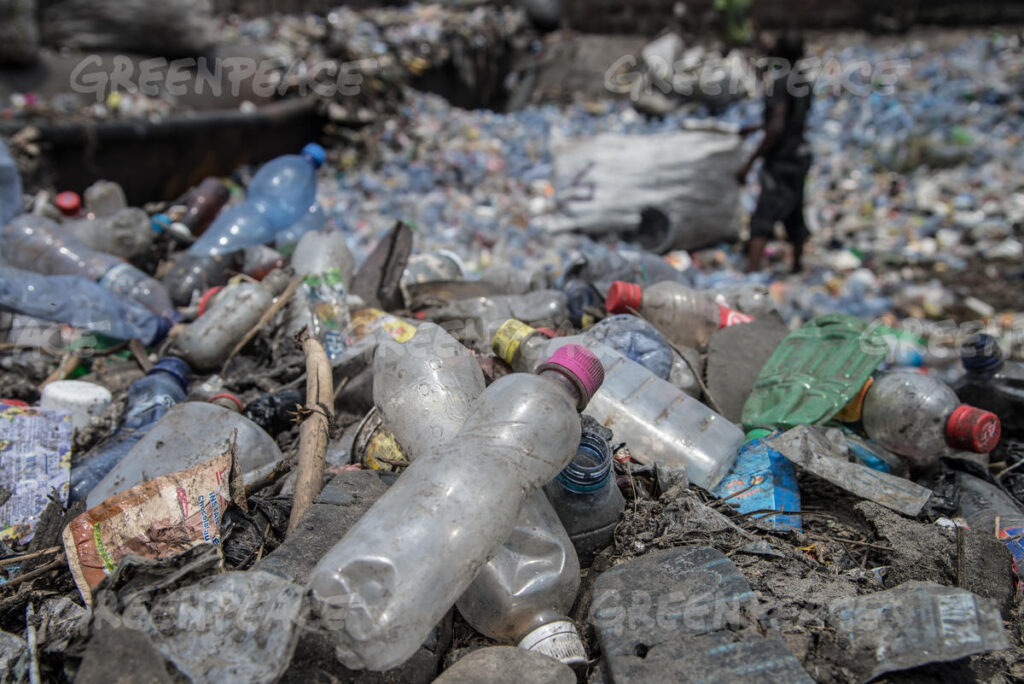
Courtesy Greenpeace, plastic in Kinshasa

Dear reader,

We consume more plastics than we think. Especially the smallest particles, the Nanoplastics, can have a bad effect on your long-term health. Science is working hard, much is still unclear, but signs are not good. Try to limit your contact with plastic significantly. Avoid using plastic bottles, do not heat anything in plastic, do not drink from plastic coffee and tea cups, do not eat chewing gum and stay away from tea bags. For starters. See point 8 how to minimize your exposure to these plastic particles. And in the meantime you can subscribe, for free, to my blogs.

  1. Research only at its infancy/I am worried

I know research is ongoing and final conclusions will take years, but doesn’t this micro and nanoplastic stuff sound scary? Plastics sound innocuous, but there are many types, some of which can cause cancer or other diseases. 

The effect of all these micro- and nanoplastics entering our bodies is still unknown. The more I read, the more concerned I become. Plastics are a holistic concept, but when you break them down you enter a world dangerous additives. You also read about Nanoplastics as molecular pollutants that attach to fungus, algae and bacteria.

Writing this blog did not help, nor did these alarming headlines: “0.5% of the brain consists of Nanoplastics,” “Nanoplastics found in penises,” , “Nanoplastics entering individual cell structures.” and “birds in Australia found with 20% of body weight in plastic.”

2, Most experts downplay the risk,

Experts claim that the public is overreacting. A quarter of the Dutch population believes that microplastics, and especially Nanoplastics, are among the top dangers to one’s health. We Dutch are perhaps exaggerating, but probably not. From what I have read this plastic future does not look all too good.

We do not know yet what interaction might occur between these smallest particles and living organisms. The idea that the tiniest particles enter your individual cells is beyond worrying. The increasing amount of plastic found in people’s brains is also not a good sign.

There seems to be no end to the plastic tsunami that overwhelms us. This news from the Netherlands is a bit off topic but related. It states that eggs from free-ranging chickens are too dangerous to eat. Can you imagine? Apparently, there is so much poison in the Dutch soil that it impacts the quality of food the chicken eat. This, in turn, affects the quality of the eggs.

There are actions we can take, such as avoiding these contaminated eggs. Or, in the case of plastics, minimizing their use as much as possible. Below are some tips in this blog.

For everything else, we must keep an eye on scientific developments.

3. Ok, what are micro plastics and Nanoplastics?

Microplastics are small plastic particles. They are usually defined as being less than 5 millimeters in size. However, they can be much smaller. They originate from the breakdown of larger plastic debris, like bottles and bags. They also include fragments of stabilizers, lubricants, fillers, and plasticizes. Manufacturers use these and other chemicals to impart desirable properties to plastics. Such properties include transparency, flexibility, and durability. Many of these chemicals have been classified by experts as toxic and harmful to human health.

Microplastics are widespread in the environment, found in oceans, waterways, soil, and even in the air. They pose increasing environmental challenges. Microplastics contaminate ecosystems and enter food chains, such as in fish. Animals and humans can ingest them, potentially causing harm over time.

Nanoplastics (sometimes calles nanoparticles, but this is a wider concept) are particles less than 100 nanometers in size. This size is less than 1/10,000 of a millimeter. They are much smaller than microplastics and more worrisome because they can overcome certain barriers and enter human cells. They can be purposefully engineered in various scientific and industrial processes. For example, they are used for materials like carbon nanotubes. Alternatively, they may occur naturally in some processes. They can also result from the further breakdown of microplastics.

4. Just some plastic statistics

In 2020, approximately 367 million tons of plastics were produced worldwide. This amount is almost double that of 2000, which had an annual production of 200 million tons. Production is still growing on an annual basis.

Researchers estimate that the average person consumes between 78,000 and 211,000 microplastic particles every year. Plastic-based bottled water has a big role in these figures. Hot drinks in plastic cups can also contribute significantly. Together, they can make up to 50% of the intake. And remember, we only talk about the micro plastics, the “big” particles, up to half a centimeter! every year through drinking water, foods contaminated by microplastics, and breathing microplastics-containing air. The number of nanoplastics is infinitively more and can be 200.000 in one plastic bottle with water.

Fortunately, most, but not all leaves our body again the natural way.

In early 2024, a new study revealed that human brain samples collected at autopsy contained significantly more plastic. They had seven to 30 times more plastic than the kidneys and liver. Compared to 2016, this concentration represents about a 50% increase, indicating that, as of today, about 99.5% of the brain is brain tissue and the rest is plastic.

5. Not only plastic bottles and plastic coffee cups are of concern. Chewing gum as well.

A pilot study presented at the American Chemical Society’s spring 2025 meeting revealed that chewing gum can release hundreds to thousands of micro and nano plastic particles into saliva, which are then potentially ingested.

6. Dangers of micro- and nanoplastics

Microplastics and Nanoplastics have infiltrated ecosystems worldwide and have been detected in air, water and soil. Their small size allows them to enter the human body through ingestion, inhalation and dermal contact. Chemical additives like polychlorinated biphenyls and phthalate esters are added to microplastics during production. These additives typically exacerbate health effects. Microplastics are therefore recognized as an emerging environmental concern. They are also a public health concern. These concerns have the potential to affect both human well-being and the natural environment.

So the much smaller parts, the Nanoplastics, can penetrate biological barriers. They enter cells and tissues, raising concerns about long-term health effects. It alarms me to learn that microplastic and nano plastic concentrations in brain samples are seven to 30 times higher. These concentrations are notably higher than those in kidneys and liver. As always with relative new developments, more studies need to be done to understand what the health implications are.

The mechanisms by which Nanoplastics enter the brain remain unclear. One hypothesis is that they travel with lipids ingested through food. Human brains are particularly rich in fat, which may help plastics cross the blood-brain barrier. Inhalation of airborne microplastics and ingestion through diet are considered primary routes of exposure.

7. Just one example how plastic pollution originates and affects us all

Biosolids, which are the treated water sludge generated from wastewater treatment, significantly contribute to plastic pollution in terrestrial environments. They are commonly utilized as fertilizers in agricultural land. This practice results in a considerable deposition of microplastics onto farmlands. In Europe, estimates vary between 63,000 to 430,000 tons of microplastics are deposited annually. In North America, the range is 44,000 to 300,000 tons. Consequently, agricultural soils serve as extensive reservoirs of microplastics. These particles are transported to the aquatic environment through various means. These means include rainfall, leaching, and irrigation.

8. First suspected links with diseases

There is ongoing debate over the health impacts of these microplastics within human tissues. These risks encompass inflammation, oxidative stress, and tissue damage. They have been found in vital organs such as the heart, liver, lungs, and even placenta. 

One study also found that individuals with dementia have more plastic fragments in their brains. The amount is three to five times higher than those without the condition. It was noted that dementia can impair the blood-brain barrier and brain clearance mechanisms, possibly creating a “sink” for plastics. Again, no definitive proof yet.

Some experts argue that nano plastics carry harmful chemicals. These chemicals are known to lead to reproductive issues. They cause hormonal imbalances by disrupting the endocrine function.

There appears to be a link between plastics and obesity.

9. What to do?

Summary: reducing exposure to microplastics and nano particles involves several lifestyle and consumer choices. Below some suggestions I summarized from reliable sources on internet.chapter

My own top 5 is: never heat anything in plastic, avoid drinks from plastic bottles (= no 1 tip), do not drink hot drinks from plastic, store in metal or porcelain, repack from plastic in metal, glass or porcelain, not cutting food on plastic cutting-board. I cut everything on an ordinary porcelain plate. And stop eating chewing gum or using tea bags.

10.Suggestions from internet

Filtering and boiling water.

Cutting back on plastic use when possible, for example, by using reusable containers

Boosting fiber intake involves two types of fiber. Fermentable fiber found in fruits and vegetables forms a gel-like substance in your gut. This helps trap microplastics and prevents them from entering your system. Meanwhile, non-fermentable fiber helps push these harmful particles through your digestive tract. It does this before they can be absorbed. In a world where microplastics are unavoidable, fiber could be your best defense

Not using single-use plastic over and over.

Avoiding heating plastic food packaging, as plastic particles can spread into the food.

Focusing on good sources for our food is essential. We should ensure our seafood is from sources that have less microplastics, for example.

Avoid foods that are ultra-processed, as there have been some reports of MNPs (=micro and nano plastics) in ultra-processed food.

Wearing natural fiber clothing — organic cotton or hemp — and avoiding those with synthetic fibers.

Vacuuming our homes more often, as microplastics can accumulate in household dust.

Being careful of environmental pollutants as high air pollution areas might have more MNPs in air.

Making sure our environment at home or work has a good air ventilation system.

This was a difficult blog to write. Too little is known about this topic, but from what we know one can only draw one conclusion: stay away as much as possible from plastics, but this will be hard to do.

Robert, your health friend,

Traffic in Kinshasa, DRC. On a quiet day

21. SPERMIDINE: THE ZOMBIE CELL KILLER (health project99+)

Pelicans in the Caribbean

Dear reader,

Before writing about the next specific supplement (spermidine), allow me to describe my vision. As always, I will explain the place of supplements in the whole chain of life-improving and extending measures. You can skip the introduction part of course (but do not forget to subscribe for free to my blogs) and immediately go for the great potential of spermidine, indeed a true zombie cell killer.

1.Introduction

You have the big five. I do not mean  the African safari animals, but the five groups of interventions that are important for longevity. The big five for longevity are food/drinks, stress, sleep, exercise and social life. Do these five well, and you increase your chances for a longer and more healthy life. You will especially boost your chances for a much longer healthy lifespan. Do not underestimate the importance of this last point. Studies indicate that more than half of the people above 60 in the Western world face serious health problems. These issues prevent them from enjoying the remaining 20+ years of their life as they should and could.

2. Potential of supplements in general

So what about supplements? The so-called 6th wheel on the wagon. Some supplements are there to reinforce the good work within the big 5. Some are often useless, like vitamin C or Omega-3. However, other supplements offer hope. Hope for a much longer life. Many studies are ongoing and life is too short to await the results of all of them. Promising results are coming in in an accelerating way, also thanks to AI. I am one of those who is open to taking certain supplements. Their claimed effects are not yet scientifically proven. I follow the no-harm principle and go for it. 

Earlier I write about two lesser-known supplements that give me much hope: berberine and fisetin. Fisetin might add 10 – 40% to the lifespan and improve health quality as well. It also mimics the effects of intermitted fasting. Berberine supports blood sugar management and its other potential benefits. It interests me mainly because it may slow aging. It could extend life expectancy by years, not just months.

This time I write about spermidine, a supplement I take once daily (5 mg).

3. What is spermidine?

Spermidine is present in all organisms, including plants, animals, and microorganisms. In humans, it can be obtained from dietary sources such as whole grains, soy products, aged cheese, and mushrooms. Other sources include legumes and certain fruits and vegetables. It is also synthesized endogenously in the body.

4. Its name? Yes, indeed

The name “spermidine” originates from its discovery in semen. Spermidine is a polyamine compound that was first extracted from seminal fluid, which led to its name. The Latin word “sperma” means semen. “Spermidine” was named this way because it was initially identified as a significant component in sperm cells.

5. Spermidine: I go for autophagy

Spermidine is a longevity agent in mammals due to various mechanisms of action, which are just beginning to be understood. It is a naturally occurring polyamine compound found widely in living cells. It stabilizes DNA and facilitates protein synthesis. These actions make it essential for maintaining cellular functions.

The claims about spermidine are manifold; for me the most appealing part is the role it plays in autophagy. Autophagy is a cellular process that involves the degradation and recycling of damaged cellular components, helping to maintain cellular health. Spermidine may contribute to improved cellular function by promoting autophagy. This improvement could play a role in slowing down the aging process. It may also potentially increase lifespan. I am all in favor of this!

It is not only autophagy what spermidine influences. Research suggests that by promoting autophagy, spermidine might contribute to increased lifespan and cardiovascular health. It may also offer neuroprotection, including cognitive function, and metabolic health. More human studies are needed to confirm these effects. There is also evidence found for impact on other mechanisms. These include inflammation reduction, lipid metabolism, and regulation of cell growth and proliferation. 

6. What are polyamines?

Polyamines are organic compounds characterized by having two or more amino groups. They are essential for cellular functions and are found in all living organisms. The most common polyamines in biological systems are putrescine, spermidine, and spermine.

7. Why take spermidine?

Your body produces spermidine and food provides it as well. However, as we age, the body’s ability to synthesize spermidine decreases. This reduction may contribute to some age-related cellular and physiological changes. This decline is part of why researchers are looking into spermidine supplementation. They are exploring dietary sources to promote healthy aging. These sources may support cellular health. For me it an important reason to take this supplement with, as said, the main focus on autophagy. “Clean those dead cells” is a slogan that appeals to me. I am very willing to take the necessary supplements.

8. Spermidine uses in treatment of diseases.

In recent years, spermidine has attracted attention for its potential health benefits, particularly in the context of aging and longevity. Spermidine is reported to reverse the aging process and enhance cardiovascular in animal studies. Aged mice administered spermidine had healthier hearts and improvements in metabolic activities. Numerous research studies have investigated the anti-aging properties as well. Several animal studies have demonstrated that administering spermidine can aid in the prevention of certain cancers. It seems that first human studies confirm the findings of animal research.

The body’s spermidine synthesis decreases with age. It becomes progressively difficult for your body to activate autophagy without an adequate spermidine level. This contributes to aging. This can be regenerated for older adults by consuming a diet rich in spermidine or, more effectively, by taking supplements. Synthetic spermidine mimics the naturally occurring molecules in every way. 

9. Side Effects? 

Because spermidine is a naturally occurring substance in the body, it is thought to be completely safe. Long trials have shown that the supplement has no adverse side effects. This is true even when taking high doses, up to 6 milligrams daily.

10. Dosage?

There is a debate among specialists about the required dosage. Global estimates of spermidine consumption range between 5 mg and 12 mg per day via dietary sources.

As mentioned spermidine is a naturally occurring polyamine found in various foods, particularly certain vegetables. Some of the vegetables with the highest spermidine content include broccoli. Cauliflower also contains a few mg per 100 grams of fresh weight of vegetables.

Dr. Sinclair takes about 1 mg of spermidine per day. I do 5 mg per day.

11. Safety

The “no-harm” approach is central to my decision to use any supplement. I take several supplements based on “hope” when there are credible indications that they might provide certain benefits. 

However, I only take supplements considered completely safe and that do not interact with any medication. This seems to be the case with spermidine, as far as I could find out. It’s important to note that what holds in animal models doesn’t always directly translate to humans. This is due to differences in physiology and dosage responses. So, more research is crucial to confirm these effects in humans.

13. Weak Points of Supplements (in general)

Supplements generally have two weak points:

1. Their production is not officially regulated or controlled by health agencies, so it’s crucial to buy from reputable companies. My advice is not to be guided by price.

2. Many health claims are not scientifically proven.

14. Which is better, NMN or spermidine?

Spermidine powder inhibits aging via autophagy, but NMN powder can have anti-aging benefits by increasing NAD+ levels in the body. Scientists suggest there may be synergistic benefits when NMN and spermidine are combined. This combination might be a potential strategy for enhancing health in elderly people. Interesting and something I follow closely.

Take care and live a happy and healthy life,

Robert, your health friend

Flamingos in the Venezuelan estado de Falcon

9. FOUR DRINKS: (C) MY EVENING VEGETABLES SOUP (health project99+)

Dear reader,

By turning solid vegetables into soup, for six years I now easily meet my daily vegetables target. And my body is grateful for it.

1. I don’t like vegetables...

I’ve never been a fan of vegetables. I would tolerate only peas and maybe some carrots. They had to be covered in Dutch apple sauce (which is not healthy because of its high sugar content). Potatoes and especially French fries got a pass. They might count as veggies, but peeled and fried, they do not offer much health benefit.

I have known all these years, of course, that vegetables should play a starring role in any healthy diet. My mother said a thing or two about it, if I remember correctly. Willpower is essential for any lifestyle change. The motivation to eat these green, red, orange and white things was just lacking. I will write about the importance of will power (and the lack of it) in another blog. To receive these automatically please subscribe. For free of course.

2. But…….

About six years ago, my wife decided she’d had enough of my veggie aversion. She started making vegetable soup, using fresh or frozen vegetables only. A blend of persuasion and gentle insistence managed to get me to eat it daily. It was a brilliant move and since then, I haven’t looked back. Vegetables are now an integral part of my diet, and the numbers from my annual health tests show the benefits. *(For context, biomarkers are biological molecules that indicate normal or abnormal processes or conditions in the body.)

3. More about vegetables

I enjoy incorporating a variety of vegetables into my meals. I include red beets, broccoli, spinach, carrots, cauliflower, pumpkin, and sweet potatoes. I like to spice things up with a bit of celery or leek—I would use onions, but I’m unfortunately allergic. Instead of combining all these vegetables at once, I prefer selecting a mix that suits my needs. Not always a culinary success, by the way, but that is part of the process. Healthy they always are!

Each vegetable brings its own unique benefits. For example, beets are touted for their potential health properties, including (unproven) anti-cancer claims. Broccoli and spinach offer around 3 grams of protein per 100 grams. Sweet potatoes are particularly impressive, containing 35% fewer carbs than regular potatoes and packed with vitamins and minerals. 

All these vegetables are excellent sources of fiber which is crucial for health. Good to know as it can be challenging to consume fiber in sufficient quantities, just as it is with protein. Life is unfair because if we compare proteins and fiber with sugar, there the opposite is true. Sugar, our common dietary foe is found in many forms in our food and very easy to overeat.

One caveat. Some vegetables have a surprising amount of sugar as well, so be careful. For example, carrots contain 6 grams per 100 grams, beetroot has 8 grams, and pumpkin 5. In contrast, broccoli contains only about 0.4 grams.

4. At home we have a diet that is 3/4 liquid

A. Lemon juice to start the day and as a drink in between (1 liter). https://shakethehealthtree.com/index.php/2025/02/25/5-lemons-and-limes-health-project-99/

B. A large smoothie for breakfast and lunch (up to one liter). I already wrote about this morning routine.  https://shakethehealthtree.com/index.php/2025/03/10/9-four-drinks-a-morning-afternoon-smoothie-health-project-99/

C. A fresh soup for the evening, with some carbs and proteins like fish, 0.4 liters. 

D. Two glasses of water/lemon juice with collagen and creatine (0.5 liters), one in the morning with added protein, and one in the evening without extra protein. 

5. Carbs, meat, fish

We aren’t against carbs. They just need to come in the form of whole food. We prefer these over white bread, white rice, or light pasta. We don’t eat much meat, and when we do, it’s mainly organic chicken. We consume fish more frequently, though less than before due to a variety of increasing concerns ranging from mercury to nano-plastics. And I already wrote about the (too) big role nuts play in my diet.

6. Preparation

I mostly use frozen vegetables for their health benefits, cleanliness, practicality, and affordability. When I buy fresh, I cook and freeze them for later use.

I start by boiling approximately ½ kg of frozen vegetables. After boiling for a few minutes, I transfer everything into a blender. I then add salt, pepper, two teaspoons of olive oil, and a generous amount of herbs. Once blended, voilà—a delicious vegetable soup is ready, although not always perfect! Too much cauliflower for example is not to my taste :).

Enjoy a happy, tasty and healthy life,

Robert, your health friend

Cool guys in the DRC, when times were more peaceful